Despite a sharp drop in EV sales following the repeal of the $7,500 federal tax credit, new J.D. Power data reveals that long-term EV demand remains strong. High loyalty among current EV owners, rising consumer consideration, and consistently lower ownership costs suggest the EV market is adjusting—not collapsing—in the post-incentive era.
News
The end of federal EV tax credits has sparked uncertainty, but the long-term outlook for electric vehicles remains strong. From expanding charging infrastructure and a booming used EV market to falling battery costs and high driver satisfaction, multiple forces point to a future where EVs continue to grow—driven by performance, affordability, and consumer confidence rather than incentives alone.
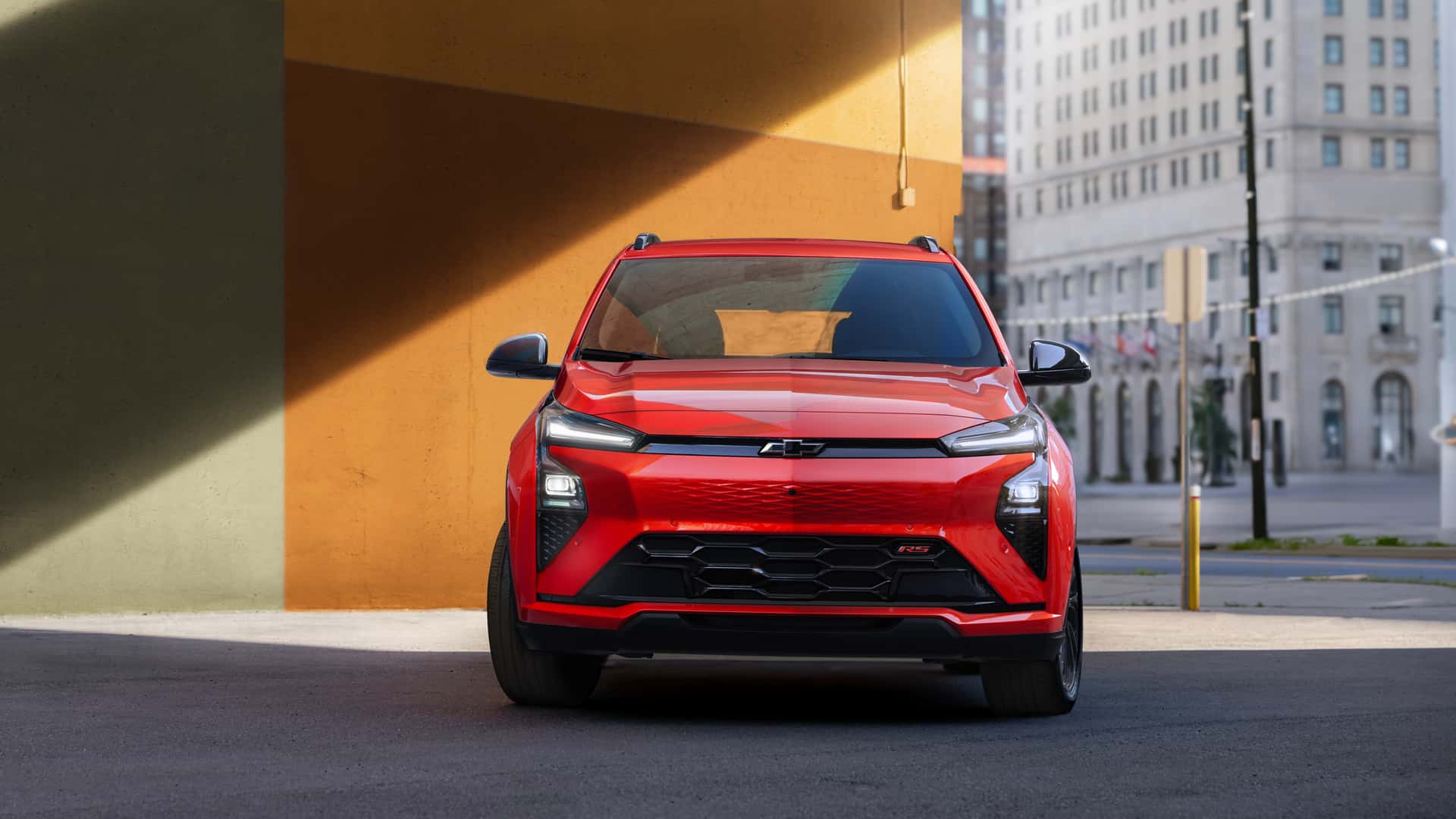
General Motors is preparing a new wave of affordable electric vehicles following the return of the Chevy Bolt. According to GM President Mark Reuss, the automaker is developing a “family” of compact, low-priced EVs around the $30,000 mark, potentially filling key gaps in the market with new body styles, battery technologies, and value-focused designs.
Recent Posts

2026 EV Ownership Study: Charging, Driving & Service Trends

EV Batteries Are Defying Expectations After Hundreds of Thousands of Miles

EVs Are Now Available in Nearly as Many Models as Gas Cars

A solid-state EV battery that can achieve 800 miles of driving range — It’s becoming a reality

Used EVs Under $25,000 Are Changing Who EVs Are For