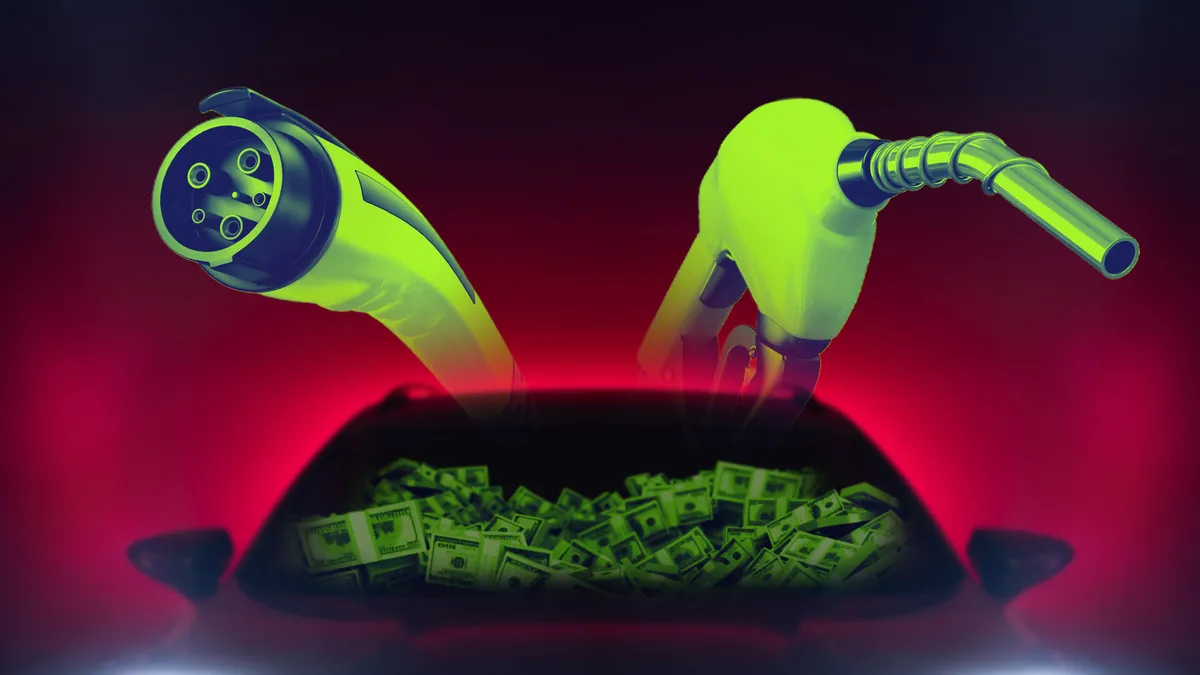
Despite a sharp drop in EV sales following the repeal of the $7,500 federal tax credit, new J.D. Power data reveals that long-term EV demand remains strong. High loyalty among current EV owners, rising consumer consideration, and consistently lower ownership costs suggest the EV market is adjusting—not collapsing—in the post-incentive era.
News
The end of federal EV tax credits has sparked uncertainty, but the long-term outlook for electric vehicles remains strong. From expanding charging infrastructure and a booming used EV market to falling battery costs and high driver satisfaction, multiple forces point to a future where EVs continue to grow—driven by performance, affordability, and consumer confidence rather than incentives alone.
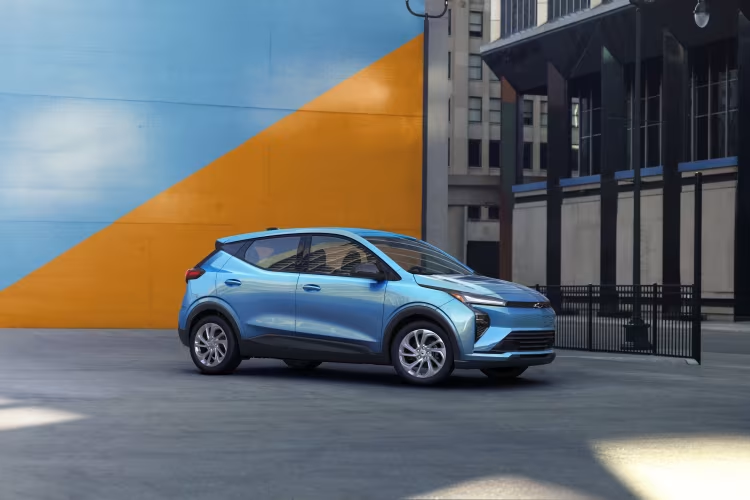
General Motors is preparing a new wave of affordable electric vehicles following the return of the Chevy Bolt. According to GM President Mark Reuss, the automaker is developing a “family” of compact, low-priced EVs around the $30,000 mark, potentially filling key gaps in the market with new body styles, battery technologies, and value-focused designs.
Recent Posts

The used EV resurgence is coming–and that’s great news for consumers and the climate

Long Island Continues to Drive Surge in Electric Vehicles

Here’s How Much Range EVs Really Lose After 150,000 Miles

Driving Affordability: EVs’ Grid-Stabilizing Impacts

How Much Money Can You Save with an EV vs. a Gas Car? We Did the Math