As electric vehicle adoption grows, concerns about grid strain and higher electricity costs persist. This article explains how smart charging and strategic utility planning can turn EVs into grid assets that improve reliability and lower costs. By shifting charging to off-peak hours and leveraging managed and bidirectional technologies, transportation electrification can strengthen the grid while driving long-term affordability.
News
The end of the $7,500 federal EV tax credit has raised new questions about whether electric vehicles are still worth buying. A detailed total cost of ownership analysis shows that despite higher upfront prices, EVs often remain the cheaper option over time thanks to lower fuel and maintenance costs—especially when compared to traditional gasoline-powered cars.
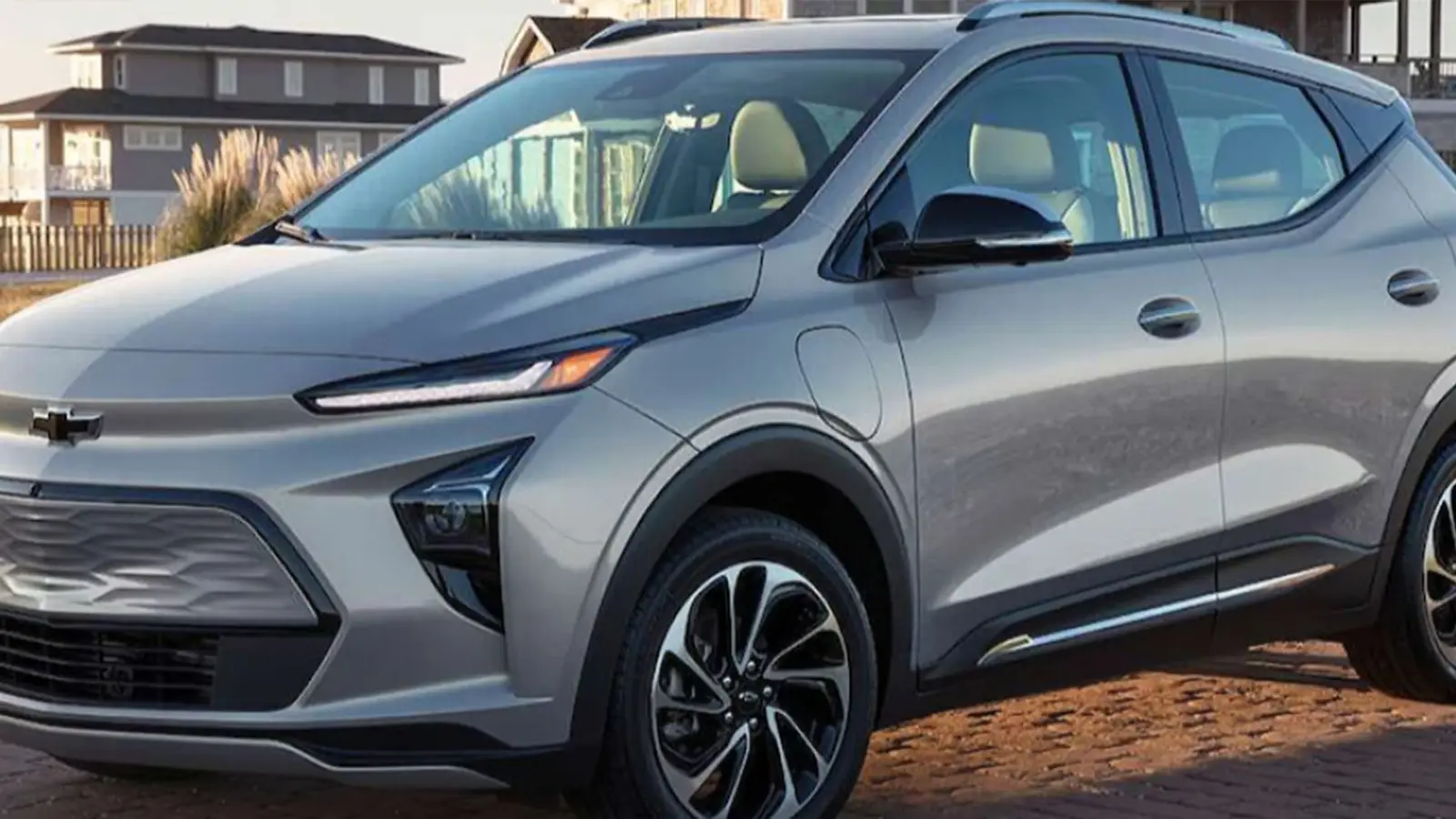
LFP (lithium iron phosphate) batteries are transforming the EV market by offering lower costs, greater durability, and reliable daily performance. Automakers like GM, Ford, Rivian, and Tesla are embracing LFP chemistry to produce affordable EVs for the U.S. market, with models like the 2027 Chevrolet Bolt and Ford’s upcoming midsize EV leading the charge. While LFP packs trade some range and cold-weather performance for affordability, they could finally bring EVs into the mass-market spotlight.
Recent Posts

The used EV resurgence is coming–and that’s great news for consumers and the climate

Long Island Continues to Drive Surge in Electric Vehicles

Here’s How Much Range EVs Really Lose After 150,000 Miles

How Much Money Can You Save with an EV vs. a Gas Car? We Did the Math

Cheaper Batteries, Cheaper EVs: The New Chevy Bolt Goes LFP, And So Do These Models