
Key Points
- LFP batteries are cheaper, durable, and gaining popularity among U.S. automakers for EVs.
- Several new U.S.-built LFP EV models promise to lower prices and boost affordability soon.
- Trade-offs exist, but most drivers benefit; LFP chemistry could transform the mass EV market.
Lower-cost cells could change the EV market
Lithium iron phosphate batteries—better known as LFP—used to be the kind of thing only EV nerds talked about. China championed the chemistry early, cranking out low-cost, long-lasting battery packs while American automakers stuck with the nickel-rich NMC cells that dominate most electric cars today. But that dynamic is changing fast. LFP is moving into the mainstream, and it’s arriving at a moment when automakers desperately need something to bring EV prices back down to earth.
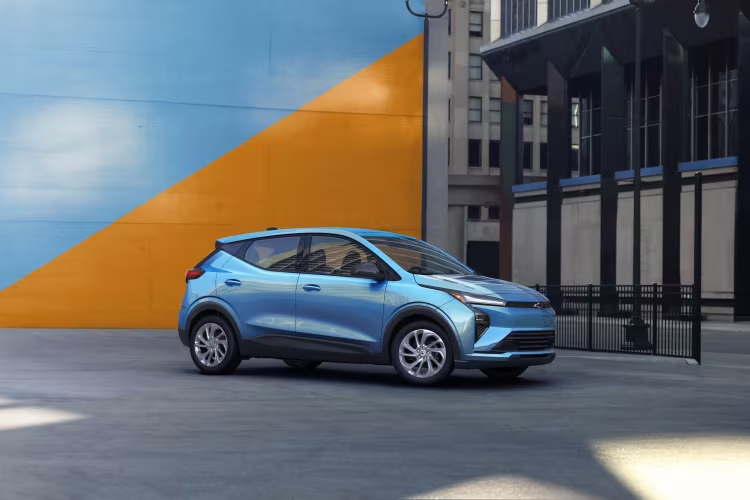
General Motors seems to understand that more than anyone. The upcoming 2027 Chevy Bolt will return with an LFP battery pack, a move that helps GM target a starting price of under $30,000. Considering how few affordable EVs exist today, that alone would make the Bolt’s comeback newsworthy. But the bigger story is the shift behind it—an emerging wave of U.S.-built LFP batteries that promises cheaper electric cars across the board.
LFP isn’t perfect, and for some buyers, the trade-offs matter. But for most people, the benefits outweigh the drawbacks, and that’s why Ford, Rivian, GM, and even Tesla have all used (or attempted to use) the chemistry in U.S. vehicles. Here’s what’s driving the shift, what’s actually for sale right now, and what’s coming next as America prepares for its LFP moment.
Why LFP batteries are suddenly everywhere
The biggest reason automakers want LFP is cost. The cells are cheaper to produce because they don’t rely on expensive materials like nickel and cobalt, and they’re easier to manufacture at scale. That gives car companies a path to lowering EV prices—something that’s becoming increasingly urgent as the early adopters finish buying in and mainstream buyers balk at $50,000 electric SUVs.
Durability is another advantage. LFP packs can be charged to 100 percent repeatedly without the kind of long-term degradation you’d expect from many NMC packs. For people who rely on public charging or who plan to keep their car long enough to see the battery warranty expire, that’s a big selling point.
There are downsides. LFP cells are less energy-dense than nickel-based batteries, which means a car with an LFP pack usually gets fewer miles per kilowatt-hour. You also lose some charging performance in cold temperatures unless the battery is thoroughly preconditioned. Still, for millions of drivers who travel short distances daily—or for fleet operators who care more about cost than maximum range—LFP makes a lot of sense.
China figured this out more than a decade ago, and its battery giants have controlled the global supply chain ever since. Companies like CATL and BYD still dominate LFP production, but the U.S. is finally accelerating its own efforts. Ford, GM, Rivian, LG Energy Solution, and SK On are collectively pouring billions into LFP plants across the Midwest and Southeast. The idea is simple: if automakers can build these batteries stateside, they can use them without getting tripped up by federal tax-credit rules or tariff issues.
The LFP EVs you can buy in the U.S. right now
Believe it or not, only four LFP-equipped EVs are currently available in the U.S. They’re spread across everything from commercial vans to family SUVs, and they give a good picture of what this tech looks like in the real world.
Rivian Commercial Van
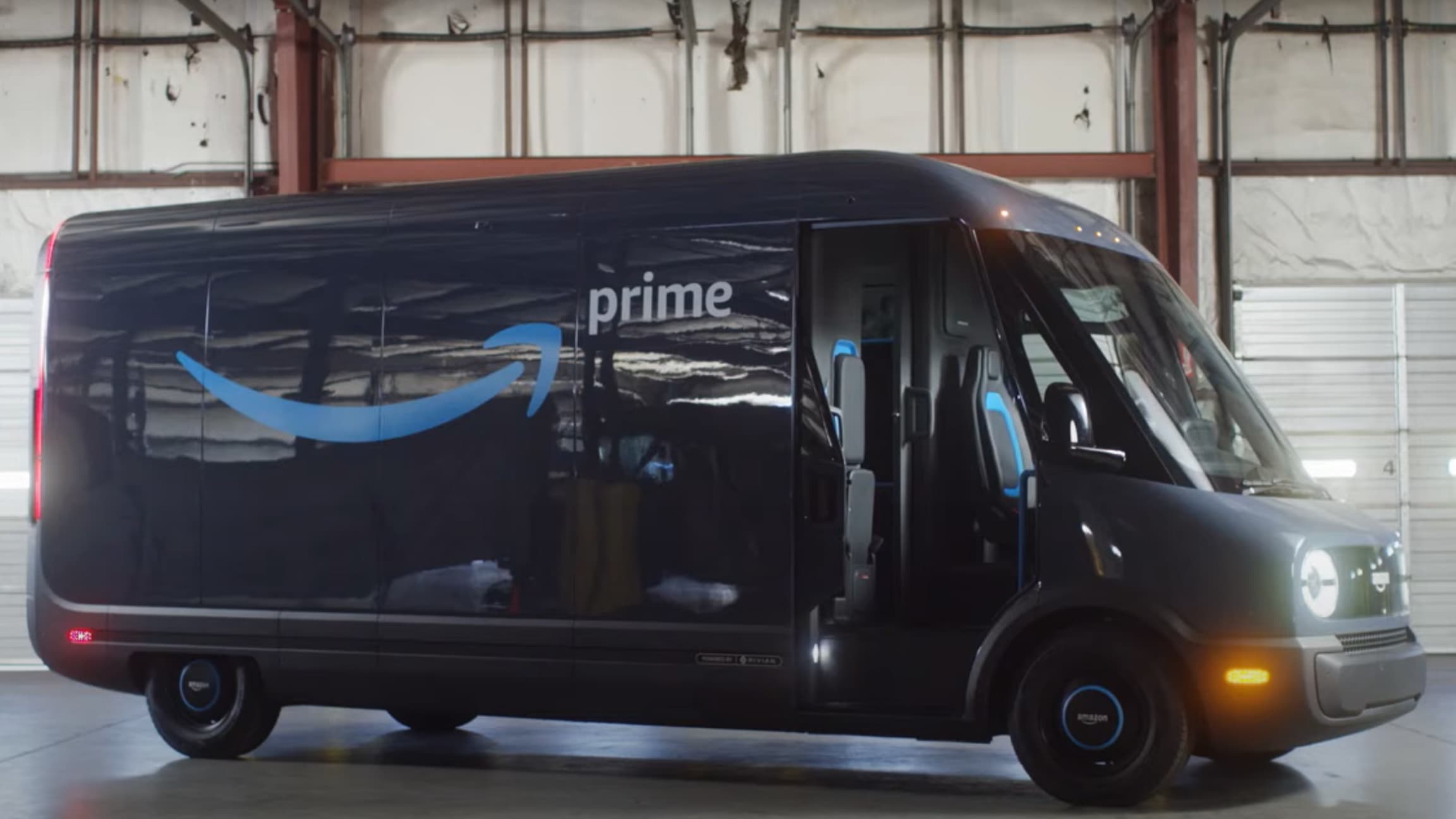
Rivian’s delivery van—built for fleets and now used by a growing number of companies—runs on a 100-kWh LFP pack with up to 161 miles of range. The van can DC fast-charge at up to 100 kW or AC charge at 11 kW. It’s not a glamorous vehicle, but it’s a perfect example of how LFP shines: it’s durable, affordable, and designed for predictable daily driving routes where range matters far less than cost and uptime.
Rivian R1T and R1S (Standard)
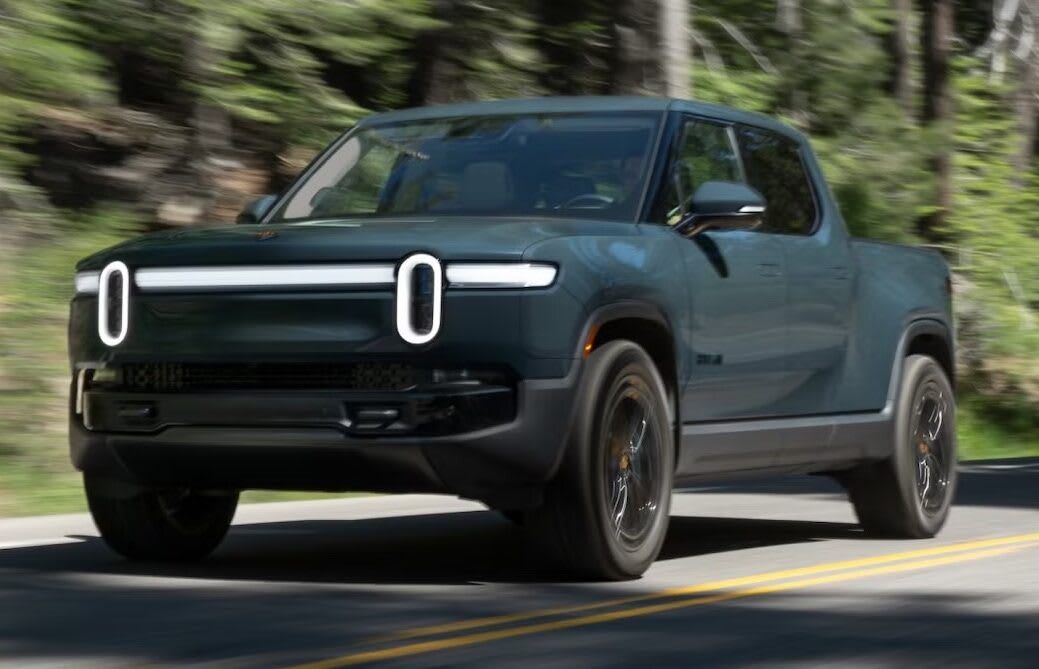
Rivian also uses LFP in the base versions of its refreshed R1T pickup and R1S SUV. These Standard models come with a 92.5-kWh pack rated for 270 miles of range. That may not top the charts, but it noticeably lowers the entry price for both vehicles and gives Rivian a broader lineup as it works toward profitability. For buyers who live in cities or suburbs and charge at home, 270 miles is already more than enough.
Ford Mustang Mach-E (Standard Range)
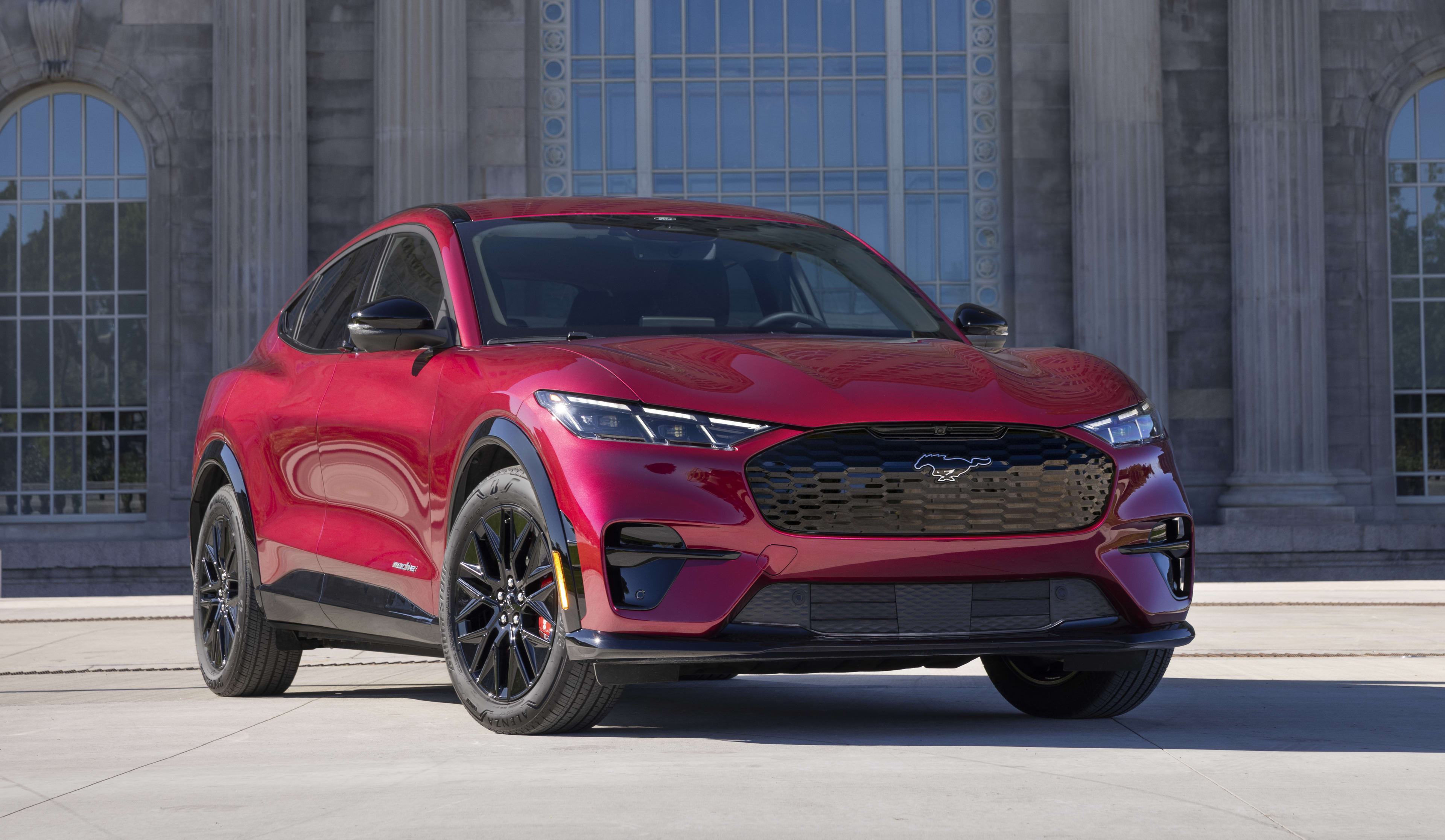
The Mustang Mach-E’s base trims now use a 73-kWh LFP pack that delivers 260 miles with a single motor or 240 miles with dual motors. Ford’s decision to migrate the Standard Range models to LFP helps its EV lineup stay competitive on price without sacrificing the everyday usability that made the Mach-E a hit. It also means Ford can push more volume without stressing its supply chain for nickel-rich batteries.
The LFP model that’s gone (but still matters)
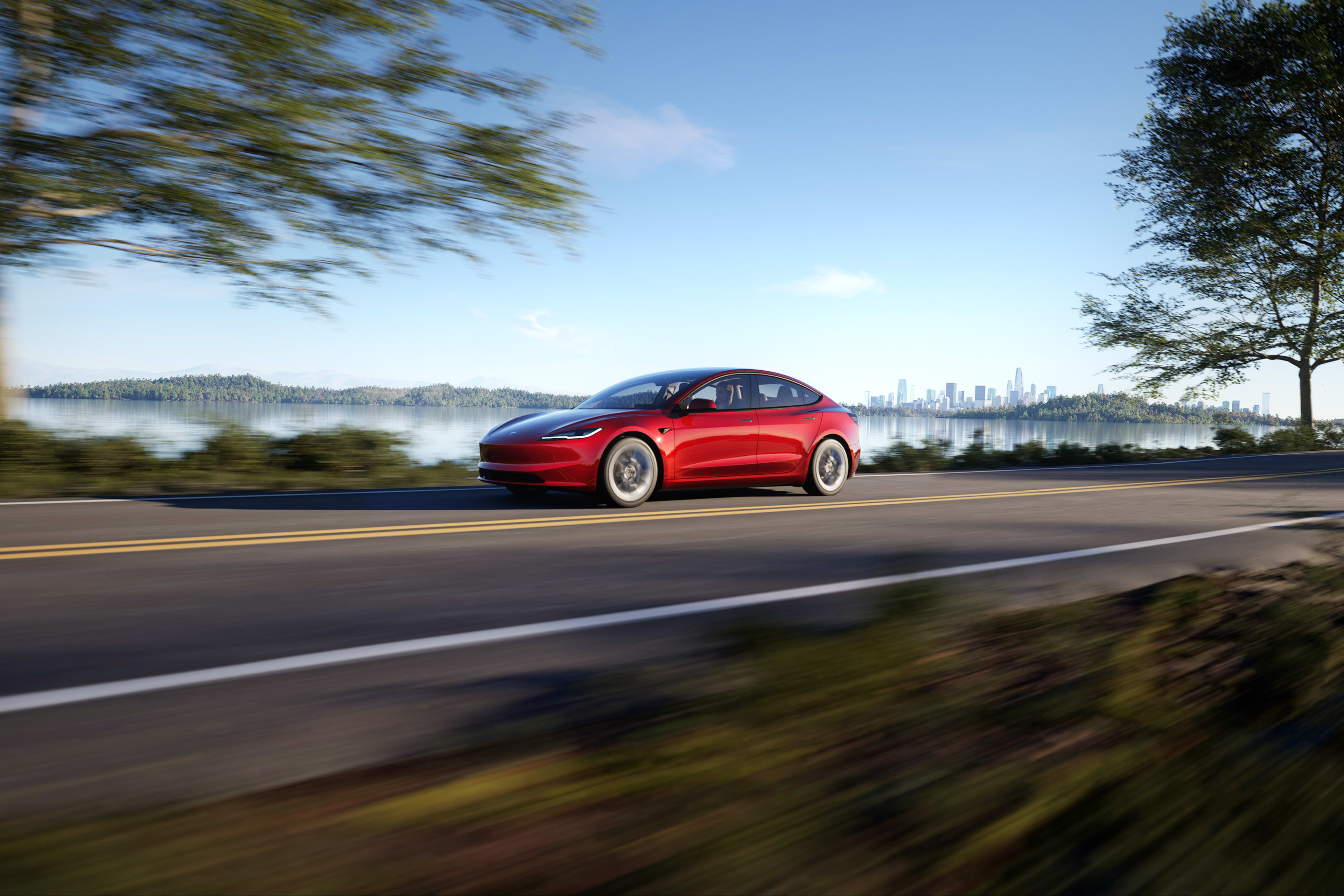
For a while, Tesla’s cheapest Model 3 used an LFP pack imported from China, delivering 272 miles of range and a lower entry price. But when stricter anti-China rules were added to the EV tax credit in 2024, the car lost eligibility for the $7,500 incentive. Then tariffs went up, and Tesla pulled the LFP Model 3 from the U.S. entirely in October 2024. You can still find them used, and owners generally report excellent battery longevity—the exact kind of durability LFP is known for.
What’s coming next
The current list of LFP-equipped EVs is short, but the next two to three years will look very different. With new U.S. factories spinning up and automakers eager for lower-cost options, LFP is about to show up in some highly important models.
2027 Chevrolet Bolt EV
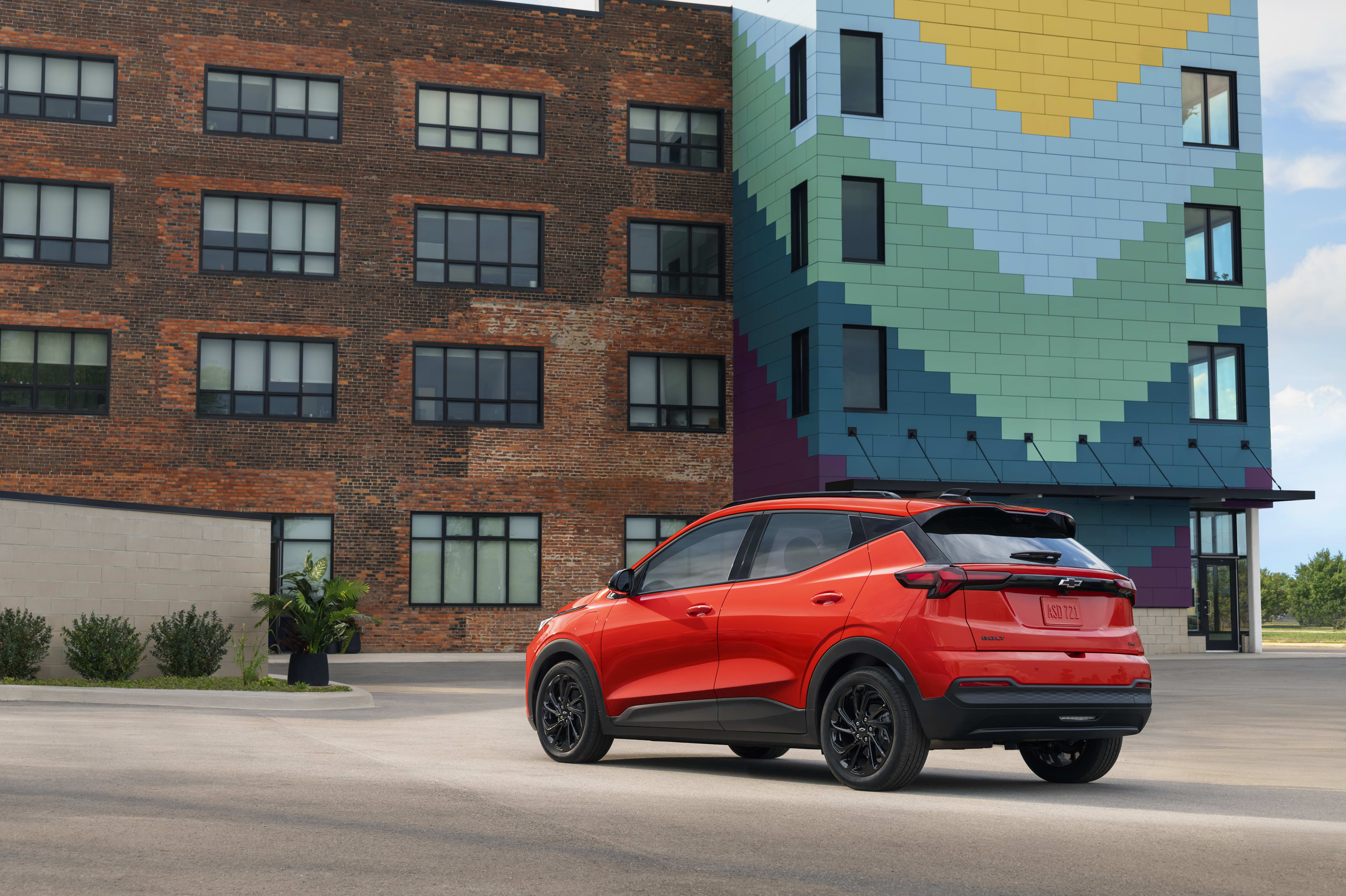
The biggest one is the 2027 Chevy Bolt. GM is bringing the beloved compact EV back with a 65-kWh LFP pack arranged in a cell-to-pack layout, meaning no individual modules. Despite the lower-density chemistry, GM says the new Bolt will get 255 miles of range—slightly more than the old Bolt EUV.
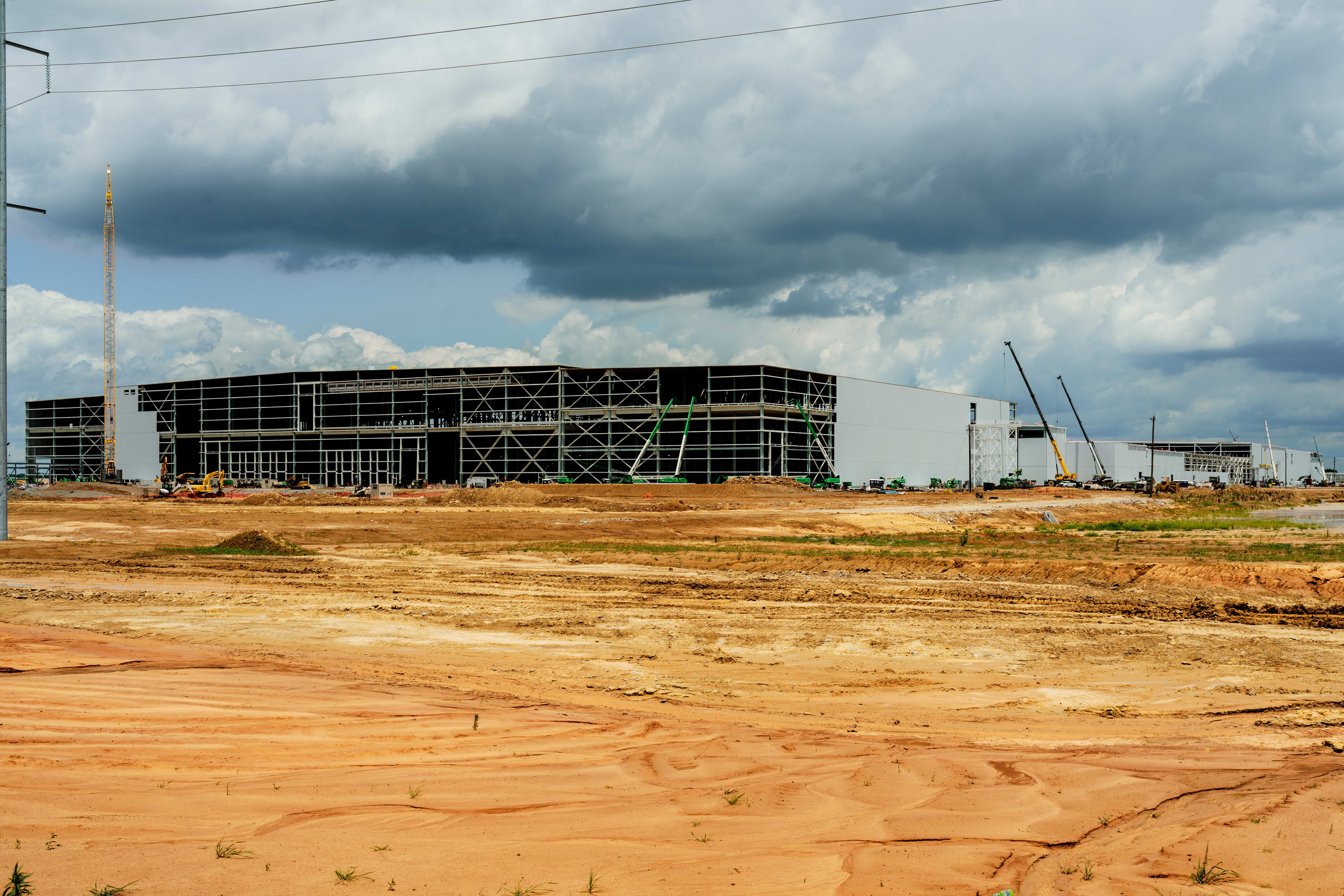
Charging gets a major upgrade too: 150 kW versus the old car’s frustratingly slow charging speeds. Since LFP is cheaper, GM can realistically target a sub-$30,000 starting price, making the Bolt one of the few EVs positioned for true mass-market appeal. The first batch of batteries will come from China, but once GM and LG Energy Solution open their Tennessee plant in late 2027, the Bolt’s pack will shift to U.S. production.
Chevrolet Silverado EV (future version)
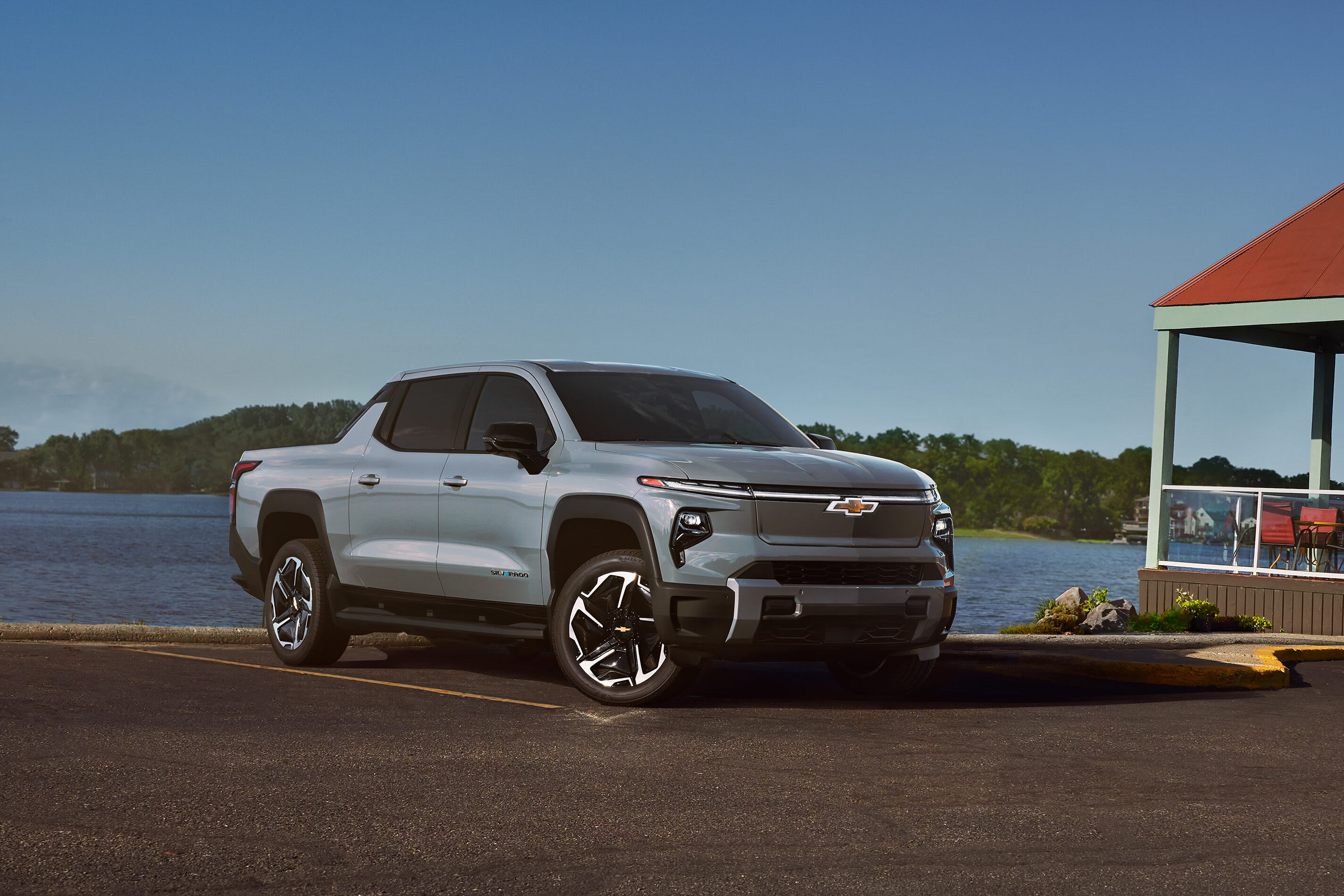
GM has also hinted that the next-generation Silverado EV will offer an LFP battery option. It won’t match today’s long-range Ultium models, but that’s the point: an LFP Silverado could finally give GM a lower-cost electric truck aimed at everyday buyers instead of early adopters.
Ford’s affordable midsize electric pickup
Ford’s upcoming midsize electric truck—expected in 2027—will be one of the first vehicles to use LFP cells produced at Ford’s Michigan facility under a licensing deal with CATL. The battery is rumored to land around 51 kWh, roughly half the size of an F-150 Lightning pack. That suggests Ford is aiming for affordability, not maximum range—a clear signal of where the market is headed.
Final thoughts
EVs have hit a price wall in the U.S., and growth has slowed. Automakers need lower-cost models to bring new buyers into the fold, and LFP is the most straightforward way to do it. The range is lower, and winter performance can take a hit, but for most people—especially suburban commuters—the trade-offs won’t matter nearly as much as the savings.
With the 2027 Bolt leading a new wave of LFP vehicles built in the U.S., the next big EV shift won’t be about absurd acceleration or 400-mile ranges. It’ll be about affordability, and LFP batteries are the chemistry that finally makes that possible.


