
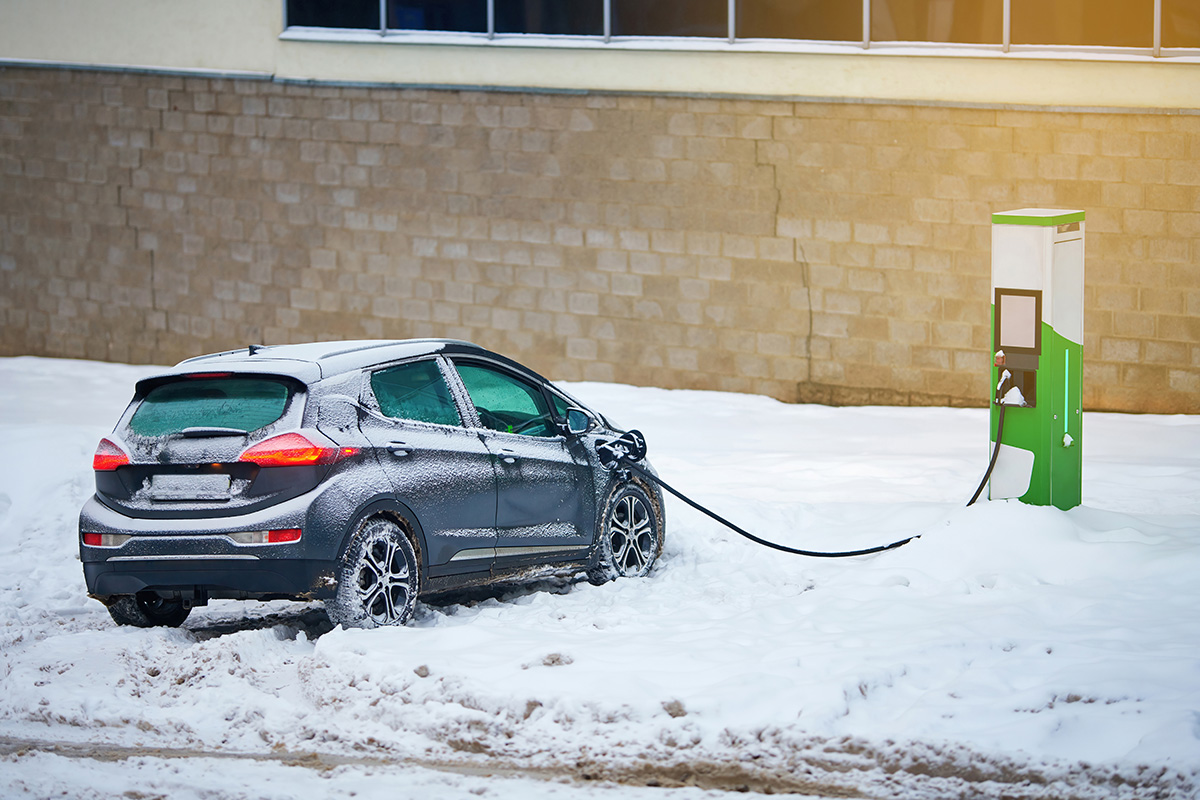
Cold weather has always challenged vehicle efficiency, and electric vehicles are no exception. But a new large-scale analysis from Recurrent sheds light on just how much range drivers can expect to lose when temperatures drop — and which EVs are best equipped to handle winter driving.
Recurrent is a U.S.-based EV analytics company that uses real-world data from tens of thousands of vehicles to provide independent insights into battery health, range performance, and seasonal driving impacts. According to the study, the 34 EV models analyzed averaged 78% of their normal range at 32°F, with the best vehicles retaining 88% and the weakest falling to 69%. Even at 20°F, real-world driving data shows that EVs maintain about 70% of their ideal operating temperature range.
Heat Pumps Make a Difference
A clear takeaway is the impact of thermal management systems. EVs equipped with heat pumps keep roughly 10% more range at freezing temperatures, a major advantage for drivers in northern climates, according to Recurrent.
Because EVs must generate their own cabin heat — unlike ICE vehicles that repurpose waste heat — the efficiency boost from a heat pump can meaningfully extend range on cold days.
Tesla Leads in Winter Efficiency
Tesla models consistently appeared at the top of the winter range rankings. The study credits Tesla’s early investment in heat-management technology, particularly the Octovalve system, which routes heat between the battery, cabin, and powertrain to maximize efficiency.
GM Models Prioritize Cabin Comfort Over Range
The analysis also found that several new GM models showed lower-than-expected winter range, even with heat pumps.
Recurrent’s team believes this reflects software tuning that favors warmer cabin temperatures, relying more heavily on a resistive heater and therefore drawing more energy from the battery.
Strategies to Protect Range
Even though range dips in cold weather, the loss is temporary and reverses as temperatures rise. The study also highlights strategies to protect range, including preconditioning while plugged in, using seat warmers instead of cabin heat, and using on-board navigation to DC fast chargers to trigger automatic battery warming.
For road trips and high-speed travel, planning remains essential, as cold temperatures combined with highway speeds can compound range loss.


